
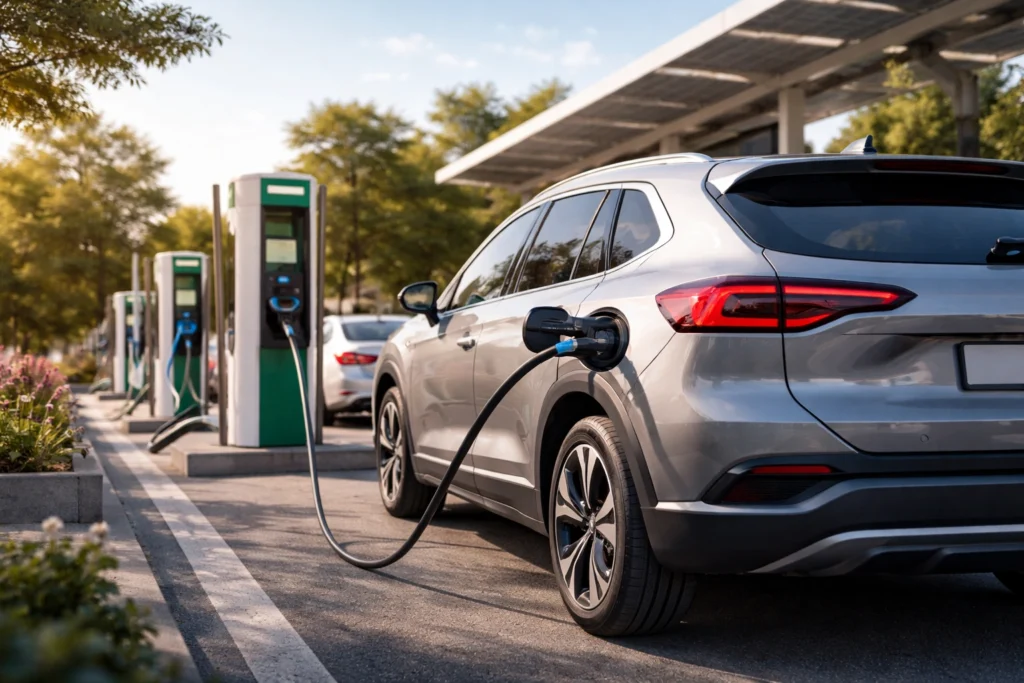
Charging reliability influences long-term EV ownership by giving drivers confidence, convenience, and practicality. However, it now ranks as the biggest hurdle for potential electric car buyers, and brings back the old fear of running out of battery mid-trip.
In fact, research shows that one in ten EV charging attempts still fail across global networks. When a session fails like this, you’re immediately stuck waiting 15-30 minutes before realising your battery hasn’t moved from 12%.
In this article, we’ll break down how charging station reliability influences your entire ownership experience. You’ll also find out what causes public chargers to fail mid-session, the way Australian infrastructure stacks up, and the testing standards the industry uses to measure performance improvements.
Let’s begin with understanding what charging reliability is.
What is Charging Reliability in EV Ownership?
Charging reliability refers to how consistently public stations complete charging sessions without software glitches, payment errors, or connection failures disrupting the process. The reason this is so important goes beyond simple inconvenience.
Take a look at why this shift happened and what it means for your daily driving.
Range Anxiety and Reliability Concerns

Early EV drivers spent plenty of time worrying about running out of battery during longer trips. In that case, range anxiety used to be the main reason for concern. But these days, unreliable charging takes the spotlight for driver complaints.
Modern electric vehicles offer 600 km range, which makes distance concerns feel almost quaint for most drivers. So their frustration now is mostly about failed charging sessions that leave you stranded at a station that looked perfectly functional when you arrived.
Understanding Charging Reliability in Electric Vehicles
EV charging reliability covers successful plug-in connections, proper software communication between your car and the station, and payment processing that goes through without any hassle. Basically, reliability means the entire process completes without hiccups from start to finish.
During a charging attempt, stations need to communicate properly with your electric car’s charging interface. Plus, remote fixes rarely work when connection errors occur at the charging point. And when that happens, someone needs to physically repair the hardware before you can continue.
Charging Attempts Still Fail
From our experience, each failed session of EV charging wastes around 15-30 minutes before drivers realise the charge isn’t working as expected.
These unreliable stations damage trust in EV infrastructure for new electric car owners who are still figuring out how public charging fits into their routine. And if one in ten charging sessions fails, it creates frequent disruptions over months of EV ownership.
EV Charging Infrastructure Influences Your Daily Routine
A solid charging infrastructure allows you to stop thinking about where to charge and just plug in wherever you are. Instead of planning your entire day around finding a working station, charging becomes a background chore while you’re already doing something else.
Here are different charging types to help you figure out your convenience:
- Home Charging Foundation: Home charging removes about 80% of your dependency on public stations for typical EV ownership scenarios. Especially with solar charging solutions, you can plug in overnight, wake up with a full battery, and head out without thinking twice about range or availability.
- Workplace Stations: These setups are becoming more common across the board in Australian business parks and office complexes, and let you top up during work hours. The convenience factor here is that you’re earning money while your car charges. Which also reduces any evening charging pressure at home.
- Highway Fast-Charging Networks: Long weekend trips can feel exciting instead of stressful if you know that reliable fast chargers exist along your route. You can spend a relaxed drive to the coast when there is good infrastructure placement on major roads.
- Shopping Centre Opportunities: This infrastructure is brilliant for topping up during grocery runs. You can treat these as bonus top-ups while running errands rather than your primary charging strategy.
Different charging types serve different purposes in your routine. Our work with Melbourne and Sydney EV drivers shows home charging typically handles the bulk of weekly needs. In fact, most owners rarely touch public charging networks except for specific situations.
The Cost of Unreliable Charging Infrastructure
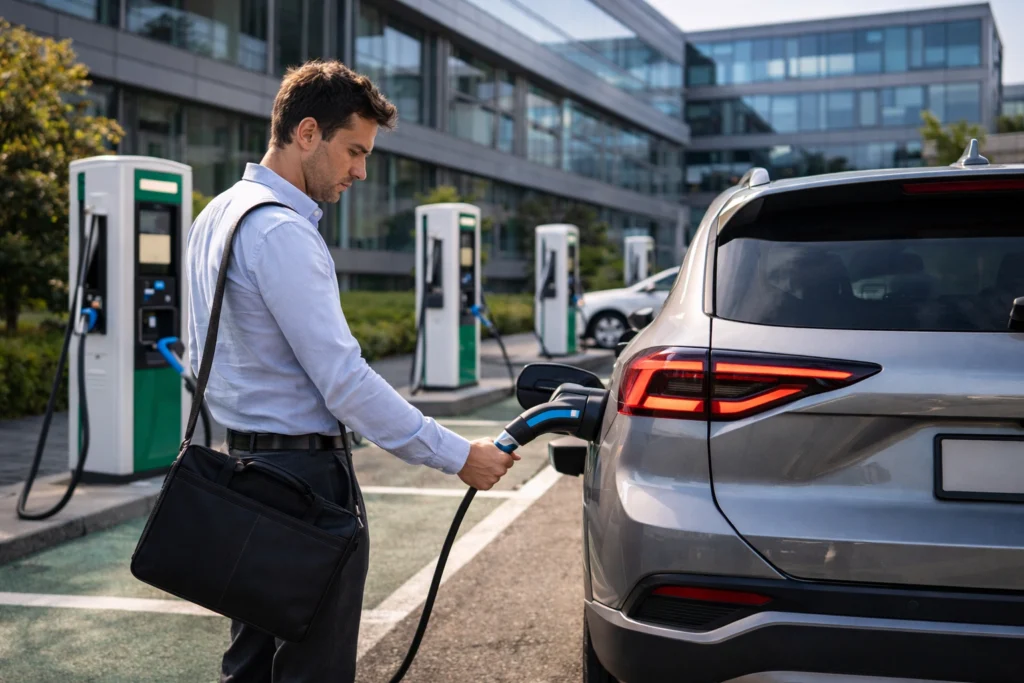
Ever plugged in your electric vehicle, waited 20 minutes, and realised nothing happened? These failures can range from minor annoyances to serious problems that can leave you stranded. When this happens, the truly frustrating part is figuring out what went wrong and whether you can fix it yourself (yes, the wasted time isn’t even the main problem).
These are the main issues you can face with an unreliable charging station:
- Payment System Failures: A charging session can abruptly end mid-charge, and leave your car partially topped up with no receipt for what you paid. Say, you might pay for 30kWh but only receive 12kWh in your battery (then spend an hour arguing with customer service about a refund you can’t properly prove).
- Software Communication Breakdowns: The top-up between your car and the station can show system failures (which sounds minor until you’re stuck in Dubbo with 12% battery remaining). For instance, your vehicle may think it’s charging while the station shows idle status. This creates a disconnect that neither system can resolve remotely.
- Physical Connector Damage: Unfortunately, cables often get stolen for copper, weather destroys exposed wiring, or vandals break connectors overnight. A station seems operational from your car window, but damaged hardware makes successful charging impossible.
- Network Outages: Sometimes backend servers lose connection and kill your session without sending any notification to your phone app. One moment you’re watching your battery climb to 45%, the next moment everything stops because the payment processor went offline for maintenance that nobody announced.
These issues create consequences for EV ownership beyond simple frustration. When public charging becomes unreliable, drivers start limiting their trips or second-guessing whether an electric car suits their needs.
How the Industry Measures EV Charging Reliability
Industry groups use standardised tests to measure how reliably electric vehicles connect with public charging networks across different scenarios. These are detailed assessments that reveal exactly where the charging process breaks down.
Here’s how the tests identify specific failure points:
- EcoG Charging Reliability Index: This index tests ten global EV platforms against fast-charging infrastructure standards. It measures reliable initialisation, robust charging process, error recovery capabilities, and how well systems communicate problems to drivers when something goes wrong.
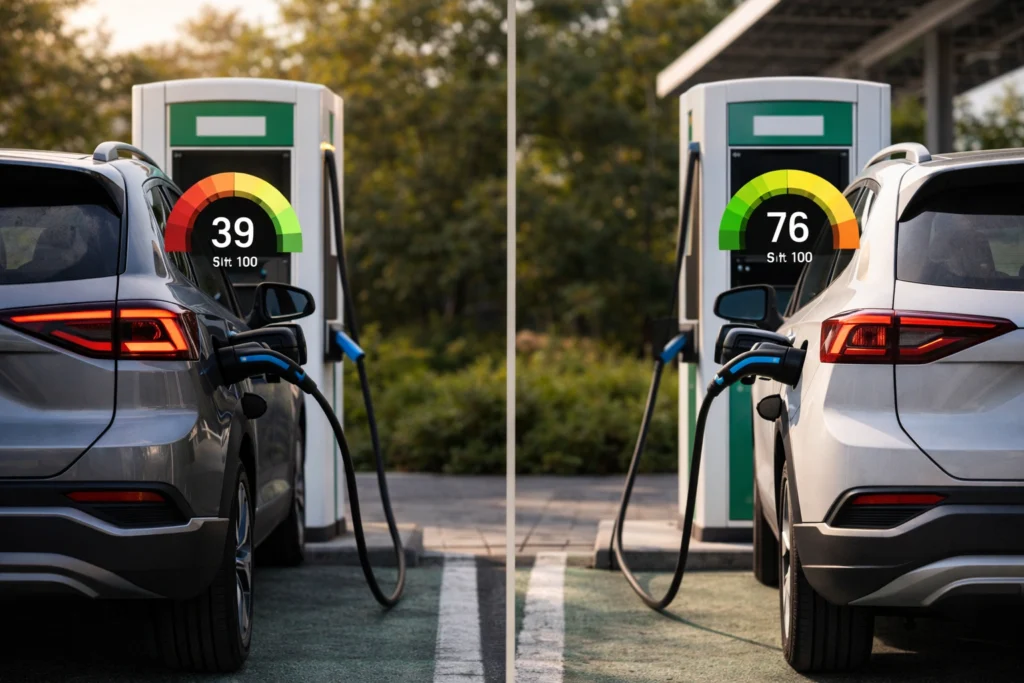
- Performance Categories: Industry testing examines functions like how cars and chargers communicate during the critical first 60 seconds, or if error messages actually help drivers solve problems. We’ve seen some vehicles score as low as 39 out of 100, while the best performers only reach 76 out of 100 (showing plenty of room for improvement across the board).
- Australian Network Audits: Charging networks across Australia face regular audits to identify stations with high failure rates and track performance improvements over time. These reviews help operators prioritise maintenance spending and identify hardware that needs replacing before it causes widespread driver frustration.
About 3 out of 10 vehicle platforms will retry failed charging attempts infinitely, which drains the 12-volt battery and leaves cars completely unresponsive at charging stations. So testing like this reveals systematic patterns that wouldn’t come up in individual complaints
Experience A Better Electric Car Ownership
Charging reliability determines if your electric vehicle feels convenient or frustrating over the years of ownership. Once you understand your car’s capabilities, range anxiety might fade, but unreliable stations create new trust issues that never quite disappear.
So choose electric cars with proven charging compatibility across multiple Australian network providers instead of models that only work well with one specific system. The more networks your vehicle communicates with successfully, the fewer headaches you’ll face when your preferred station is occupied or broken.
At EVoasis, we’ve helped hundreds of Australian drivers find charging solutions that work with their routines. Visit us to find out charging options that make your electric vehicle experience smooth from day one.