
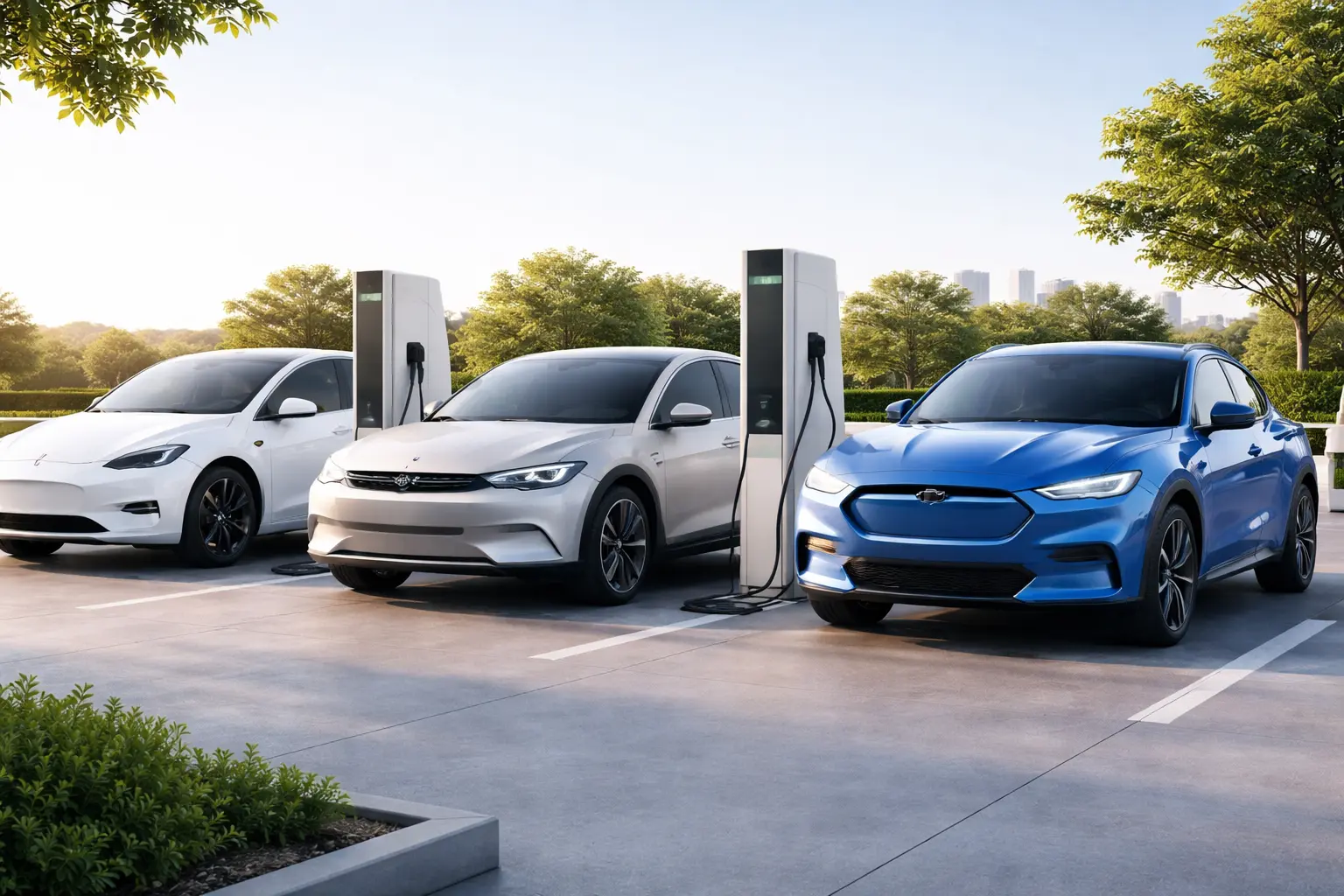
Shopping for an electric car in 2026 feels different from how it did just two years ago. The best EV cars that 2026 USA drivers can buy now travel over 300 miles on a single charge, cost thousands less than before, and charge almost as fast as filling a gas tank. But with dozens of electric vehicles flooding showrooms, picking the right one gets confusing.
In this article, we’ll cover:
- Top electric cars for American drivers in 2026
- Real range numbers and charging speeds you can expect
- Price comparisons between vehicles and what you actually get
Let’s find the car that fits your daily commute, weekend trips, and budget.
What Changed in 2026 for American EV Buyers
Electric vehicles in 2026 offer longer range, faster charging, and lower prices than previous model years. Our research into electric vehicles showed three major changes when it comes to buying an EV.
The first one is how battery technology improved over the past 18 months. In fact, most new EVs now deliver between 280 and 490 miles of range per charge. This increased range eliminates the worry about running out of power on highway trips.
Now compare that to the 2023 models that average 220 miles. You see why buyers feel more confident switching from internal combustion engines.
Along with that, charging networks expanded across the country. For instance, Tesla opened its Supercharger stations to Ford, GM, and Hyundai vehicles starting in late 2025. This move added over 17,000 fast chargers to the networks other car brands can access.
While our northern neighbors face similar changes with the best EV cars in the 2026 Canadian market, the USA benefits most from this Supercharger expansion. What’s more, range anxiety becomes less of an issue when charging stations appear every few miles on major highways (and the savings add up faster this way).
On top of all these, prices dropped while features improved. The automotive industry pushed costs down on popular models. Say, a midsize electric SUV that cost $55,000 in 2024 now starts around $48,000.
Basically, you get more range and better technology for less money. That’s the kind of progress that brings new car buyers into showrooms.
Tesla Model Y: The Most Popular Choice for a Reason
The Tesla Model Y holds 28% of the electric SUV market in America. Its 330-mile range, extensive Supercharger network, and spacious interior keep it ahead of every competitor. However, those advantages come with some compromises that most buyers don’t find out until after purchase.
These are what you should consider.
Why American Drivers Keep Choosing This Model
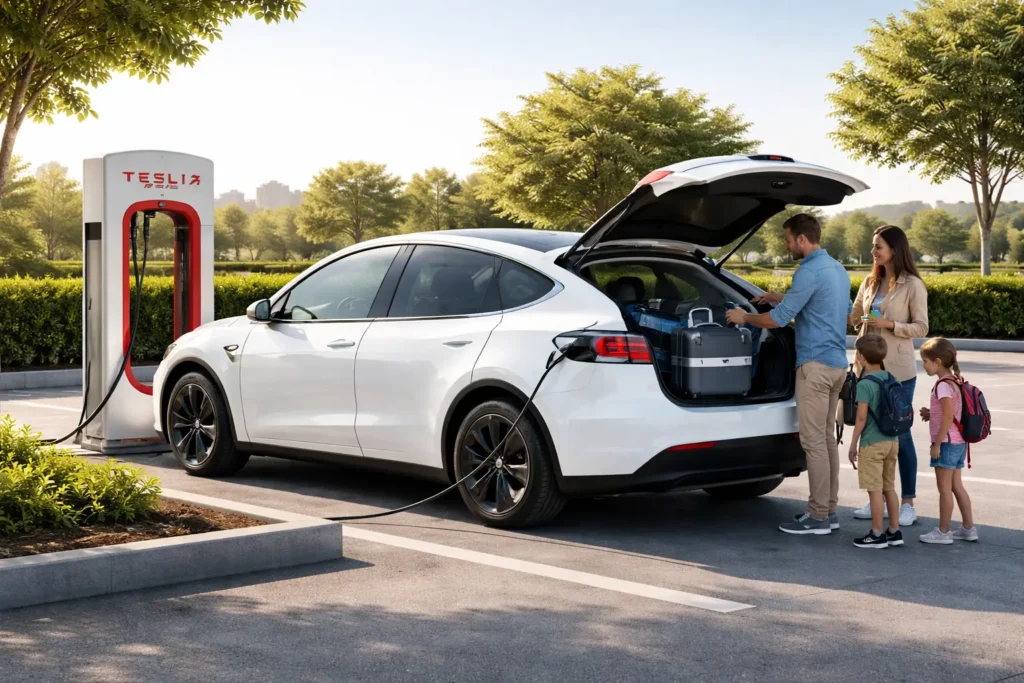
American drivers choose the Model Y for its combination of range, space, and charging network access. The Tesla Model offers room for five adults and cargo space that rivals traditional midsize SUVs.
Plus, over-the-air updates add new features automatically. Your 2024 model gets 2026 improvements without visiting a dealer. Tesla often pushes software updates that improve acceleration, add entertainment options, and refine the car’s handling characteristics.
Real-World Range and Charging Performance
Tesla’s Supercharger network gives Model Y owners the most reliable charging experience in America. Thanks to widespread fast-charging infrastructure, most major highways now have a charging station less than 10 minutes away.
Besides, a 15-minute charging session adds 160 miles of range. That’s enough for most daily driving needs and then some.
The Downsides Tesla Doesn’t Advertise
Tesla owners report quality issues that luxury car buyers don’t expect at this price point. Notably, build quality problems like panel gaps and interior rattles aren’t suitable for a Tesla Model.
Plus, the base model interior feels sparse compared to what Hyundai or Ford offers at similar price points. Especially, hard plastics are all over the cabin, where you’d expect softer materials. And the minimalist design appeals to some drivers but disappoints others who want more traditional luxury touches in their electric vehicles.
Hyundai Ioniq 5: The Best Value Electric SUV Right Now
The Ioniq 5 delivers premium features at a mid-range price while charging faster than most competitors. In fact, Hyundai built this electric SUV to challenge Tesla’s dominance without copying the minimalist approach that turns some buyers away.
Take a look at the pros and cons.
Retro-Futuristic Design That Turns Heads
The Ioniq 5 looks like nothing else on the road, and that’s exactly the point. The boxy 1980s-inspired exterior stands out in parking lots full of generic rounded crossovers.
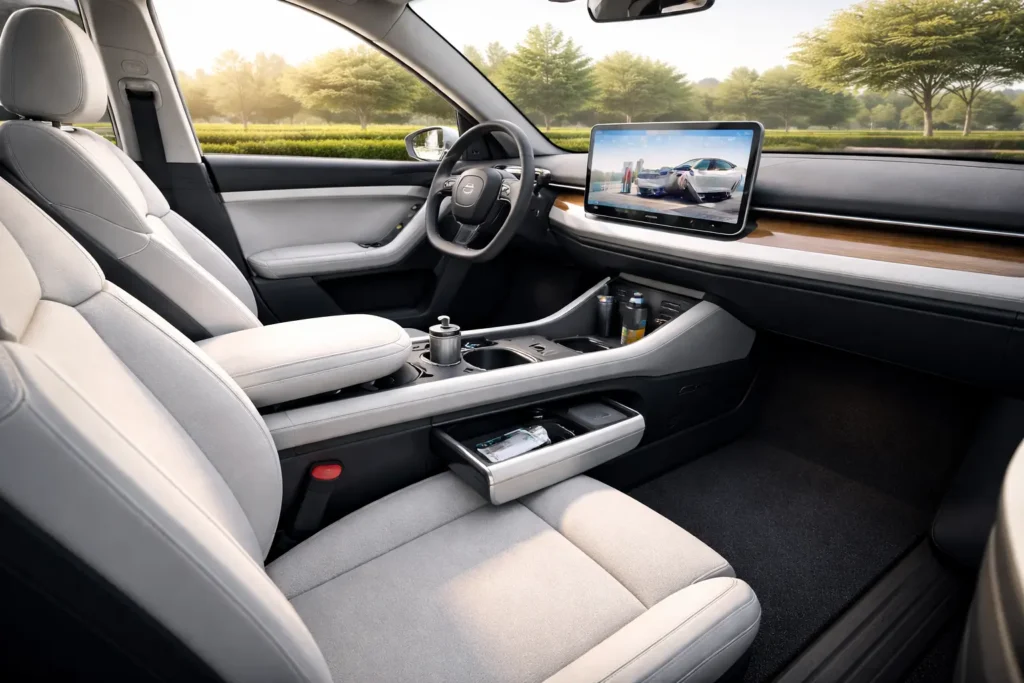
The interior also uses sustainable materials with a sliding center console that creates flexible cabin space. You can move the console forward or back, depending on your need for more front seat room or easier access to the rear seats. What’s more, the 12.3-inch dual screens provide modern technology without overwhelming you with complicated menus.
28-Minute Fast Charging and 288-Mile Range
The Ioniq 5 charges from 10% to 80% in just 28 minutes on a Level 3 charger. And the 77.4-kWh battery delivers this speed consistently.
More importantly, the 288-mile EPA range beats the Tesla Model Y in real-world highway driving tests. This increased range comes from efficient power management that doesn’t require you to enable special eco modes.
XRT Variant for Off-Road Adventures
Hyundai added a lifted suspension and all-terrain tires to make the Ioniq 5 XRT trail-ready. The extra ground clearance handles dirt roads better than typical electric SUVs that scrape their undersides on rough terrain.
All-wheel drive comes standard, distributing 314 horsepower between front and rear motors. This power splits automatically based on which wheels need traction. It also has skid plates that protect the battery pack during trail driving, which would damage other EVs without proper protection.
Ford Mustang Mach-E: When You Want Fun Behind the Wheel
Ford built the Mach-E for drivers who refuse to sacrifice performance when switching to electric. This model prioritizes engaging driving dynamics over maximum efficiency or range numbers. It delivers three distinct variants that each target different types of buyers.
Below you’ll see everything that attracts the buyers:
- GT Performance: The GT model hits 60 mph in 3.5 seconds with 480 horsepower from dual motors. That acceleration rivals sports cars costing twice as much. So you feel the instant power the moment you press the accelerator.
- Rally Edition for Off-Road: Ford adds a rally-tuned suspension specifically for dirt road driving enthusiasts. The company took lessons from their racing heritage and applied them to an electric SUV. As a result, handling stays sharp whether you’re on pavement or gravel roads.
- BlueCruise Hands-Free Driving: This system is now available as a one-time purchase instead of a monthly subscription fee. You buy it once and own it for the life of the car. The technology also works on over 130,000 miles of pre-mapped highways across North America.
- Range Trade-Off: In hindsight, the 270-mile range falls short compared to the Ioniq 5 and Model Y competitors. That’s the compromise for prioritizing power and handling over efficiency.
- Cargo Capacity: Storage reaches 59.7 cubic feet with rear seats folded down. The Mustang Mach-E offers enough room for weekend camping gear or Home Depot runs.
The Mach-E works best if you value spirited handling over segment-leading range. Ford basically succeeded in making an electric vehicle that actually feels fun to drive on twisty roads.
Electric SUV Models Worth Your Attention
Beyond the top three sellers, several electric SUVs deserve consideration based on your specific needs. These vehicles fill gaps in the market that Tesla, Hyundai, and Ford don’t address directly.
Here are some of the best options we suggest.
Chevy Equinox EV: Affordable Family Hauler
The Equinox EV starts around $35,000, making it the most affordable electric SUV from a major manufacturer. The 319-mile range handles family road trips without constant charging stops. You can drive from Denver to Salt Lake City on a single charge with power to spare.
On top of that, the spacious interior fits car seats easily with enough room for groceries and sports equipment in the cargo space behind the third row. That’s different from the best budget EV cars in 2026 India or any other country, which focus on compact city vehicles if you go under $20,000.
Cadillac Escalade IQ: Luxury With Electric Power
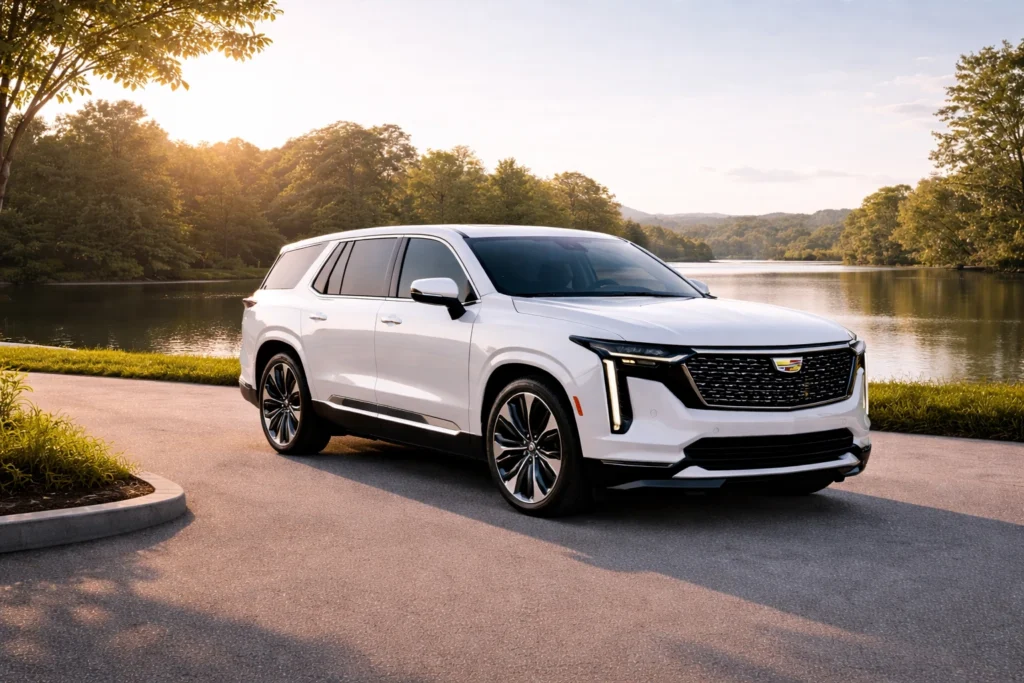
Luxury SUVs can go electric without losing towing capacity or range, and the Escalade IQ proves that. Its 450-mile range eliminates compromises between luxury size and electric vehicle practicality. You get the space and presence of a traditional Escalade without stopping at the pump.
Furthermore, the 24-speaker audio system and executive seating rival high-end German SUVs from BMW and Mercedes. The cabin also uses premium leather and real wood trim instead of the plastic substitutes found in cheaper models.
Genesis GV60: Premium Features At A Fair Price
Genesis includes heated seats, wireless charging, and a head-up display as standard equipment. The brand’s positioning mirrors what we’re seeing with the best EV cars in the 2026 UK market, where premium features at competitive prices attract buyers looking for value beyond the badge.
The 282-mile range with dual motors (314 horsepower) comes with all-wheel drive as standard. And Genesis doesn’t make you pay extra for power or traction. The model shares its platform with the closely related Kia EV6, but Genesis adds more luxury touches to justify the higher price.
You also get a five-year warranty and three years of free charging at Electrify America stations add real value. That’s thousands of dollars in electricity costs you won’t pay during the first years of ownership.
Time To Make Your Electric Vehicle Decision
After considering all the options, pick your EV based on daily driving distance, charging setup at home, and budget limits. At the end of the day, these factors are much more important than brand loyalty or what your neighbor drives. We suggest test-driving at least two models before buying because seat comfort and visibility differ significantly between vehicles.
If you’re looking for more guidance on electric vehicles and charging solutions, EVoasis covers topics like home charger installation and battery technology updates. The transition to electric driving starts with finding the right vehicle for your life and daily routine. So visit us and learn more before making the final decision.