
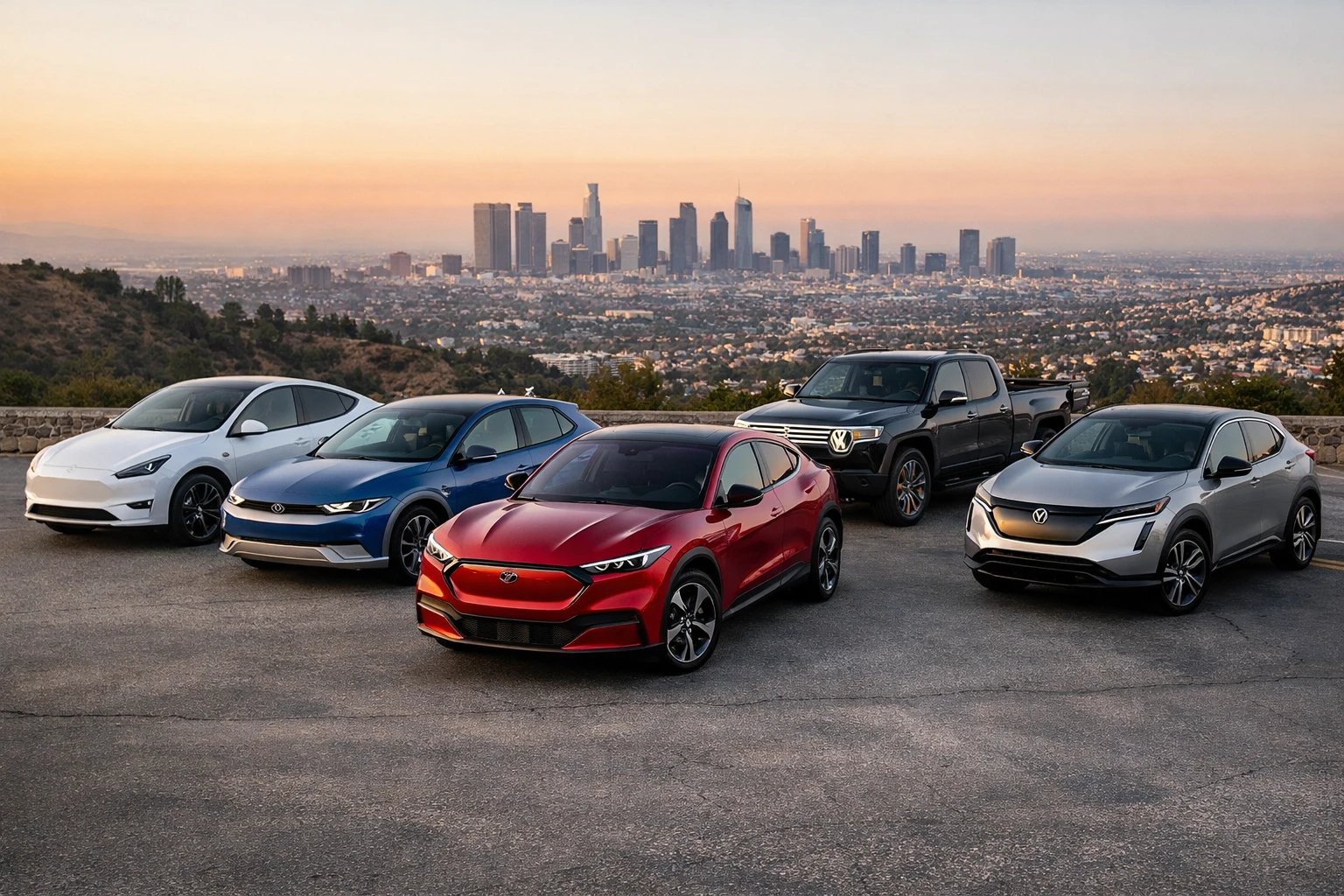
Cox Automotive reports that electric vehicle sales reached almost 1.3 million units in 2025, the second-best year for EV sales in the U.S. That number indicates that more buyers are switching from gas to electric vehicles.
Among the models benefiting most from this trend, the Tesla Model Y and Model 3 dominate the best EV cars in 2026, with the Hyundai Ioniq 5 gaining ground as a budget-friendly pick.
In this article, we’ll cover everything you need to know about the top-selling EV models in 2026. We’ll also explain what makes them popular with drivers, and how you can pick one that matches your driving habits.
Let’s find out all about EV car hype in 2026.
What Drives Electric Car Sales in 2026?
Three factors have pushed electric vehicle sales higher this year: money back from the government, more places to charge, and cheaper batteries.
To be specific, federal tax credits up to $7,500 bring EV prices closer to gas cars for most buyers. That alone has made the switch a lot more affordable than it was even two years ago.
On top of that, public charging stations grew by 35% since 2024, so long-distance travel doesn’t feel like a gamble anymore. Drivers no longer need to worry as much about local availability before heading out, as charging networks have expanded.
Battery pack costs also dropped 20% in the past years. When manufacturers spend less on battery technology, those savings get passed to buyers at the dealer. And cheaper batteries mean more affordable electric cars hit the market every month.
The Best Selling EV Cars 2026
Tesla owns the top two spots with Model Y and Model 3. However, Hyundai is climbing fast with lower prices and better warranties.
Here’s what makes these electric cars the best-selling options right now.
Tesla Model Y: The SUV That Owns the Market
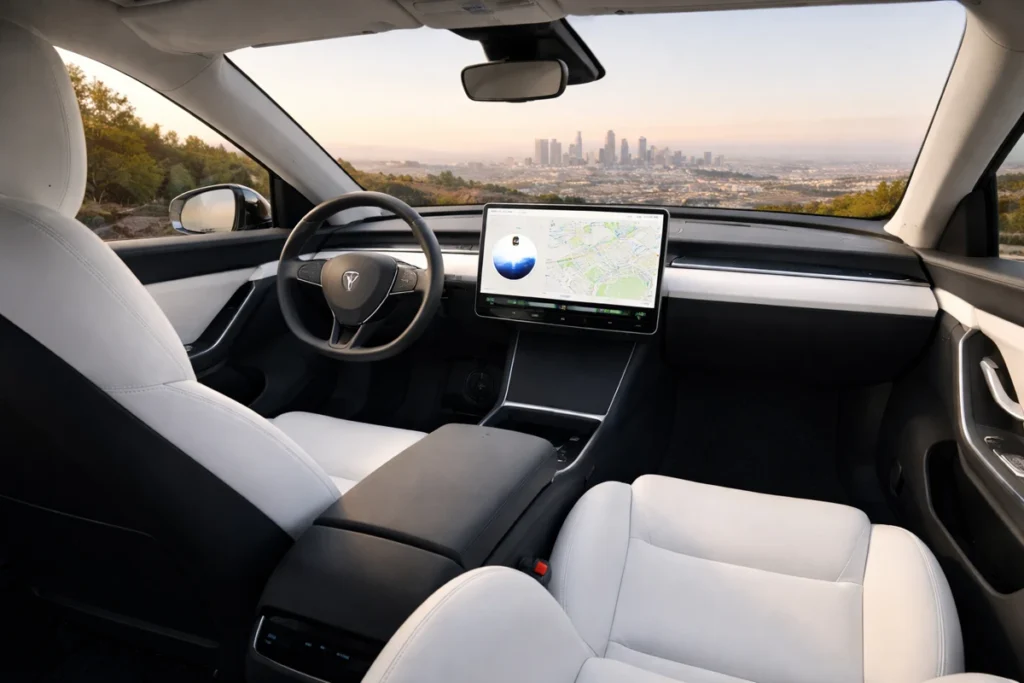
Believe it or not, this crossover sold 372,613 units within a year, outselling every other electric vehicle by huge margins. The Tesla Model Y offers:
- A 337-mile range
- Spacious cargo space
- Rapid acceleration (the speed surprises first-time EV drivers)
We’ve talked to dozens of Model Y owners, and most say the same thing about interior build quality. Unfortunately, it disappoints some buyers given the price point, but the massive touchscreen and over-the-air updates make up for it.
Plus, the technology keeps improving even after you buy the vehicle, which gas cars can never match.
Tesla Model 3: America’s Go-To Electric Sedan
The Tesla Model 3 moved 192,440 units in 2025 with a starting price under $43,000 and a 363-mile maximum range.
Now, before you write off sedans completely, consider the performance benefits. To give you an idea, sportier handling than Model Y makes it fun to drive (though back seats feel cramped for taller passengers during long trips).
What’s more, recent interior upgrades have improved build quality compared to older models. German luxury brands still offer more premium cabin materials, but the Model 3 delivers solid value for the money.
Hyundai Ioniq 5: The Best-Selling Electric Car for Families
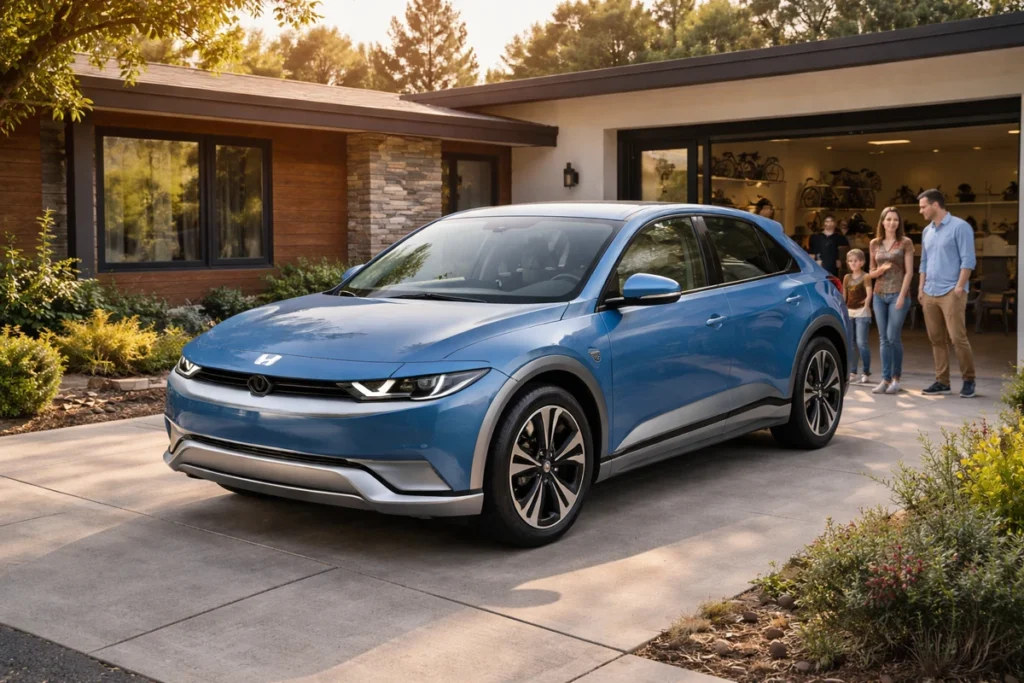
The Hyundai Ioniq 5 is one of the best EV cars in 2026 because it brings retro-futuristic design, 300 mile range, and ultra-fast charging that fills the battery in 18 minutes.
And hands down, the five-year warranty and spacious cargo space make it a practical investment for families with kids and gear. It also has a lower price point (starting at around $36,600) than Tesla models while providing comparable technology and comfort for daily driving needs.
Body Style of Electric Vehicles: Sedans, SUVs, Pickup Trucks, and Small EVs
Body style changes everything for electric vehicle buyers because sedans, SUVs, and pickup trucks each offer different levels of space, efficiency, capability, and practicality to suit different lifestyles and driving needs.
Take a look at the body style of different EVs:
- Crossovers and SUVs: Models like the Tesla Model Y lead sales charts because high seating position and generous cargo space work for parents, commuters, and road trippers. The extra room helps when you’re loading groceries or weekend gear. Plus, the elevated driving position gives you better visibility in traffic.
- Sedans: These electric vehicles offer better aerodynamics and efficient performance on the highway. You have to sacrifice cargo flexibility and rear headroom in some models, but sportier handling and lower prices make up for it if you don’t need maximum space.
- Pickup Trucks: The Ford F-150 Lightning and similar trucks appeal to contractors and outdoor enthusiasts when towing (despite higher prices and lower range). If you need serious hauling power or off-road capability, electric pickup trucks are the ones for you.
- Small EVs: Compact electric cars work perfectly for city driving and tight parking spots. Their limited range restricts road trips without frequent charging stops, but they’re affordable and cost less to insure than larger vehicles.
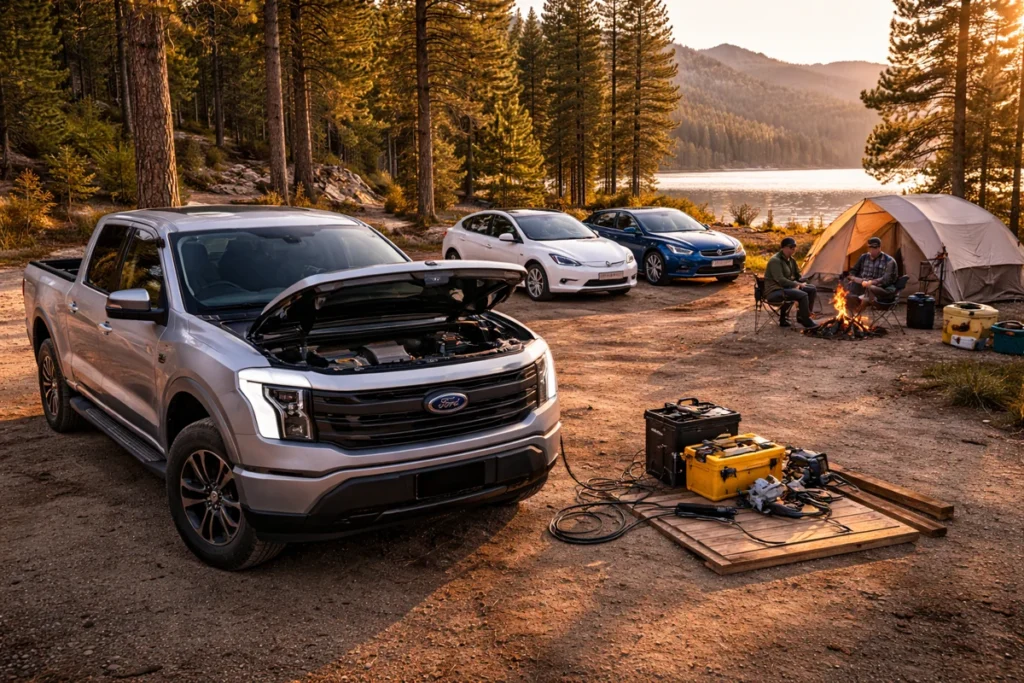
Our Verdict: Crossovers dominate because they handle more situations than any other body style. Especially if your daily routine involves hauling stuff or passengers regularly, the extra cargo space pays off every single week.
Finding the Right Electric Vehicle for You
Choosing the right electric vehicle saves you thousands in fuel costs and keeps maintenance visits to almost zero. From conversations with EV buyers across the US, test-driving multiple body styles can help you make a better decision.
Also, calculate your actual charging costs using local electricity rates before making your final purchase. Because less maintenance and fewer moving parts mean electric cars cost less to own over time compared to gas vehicles.
In this case, installing a home charger gives you control over when and how you charge. Plus, you’ll save money compared to public stations. If you need more support, visit EVoasis for charging solutions that work with any electric vehicle you choose.