
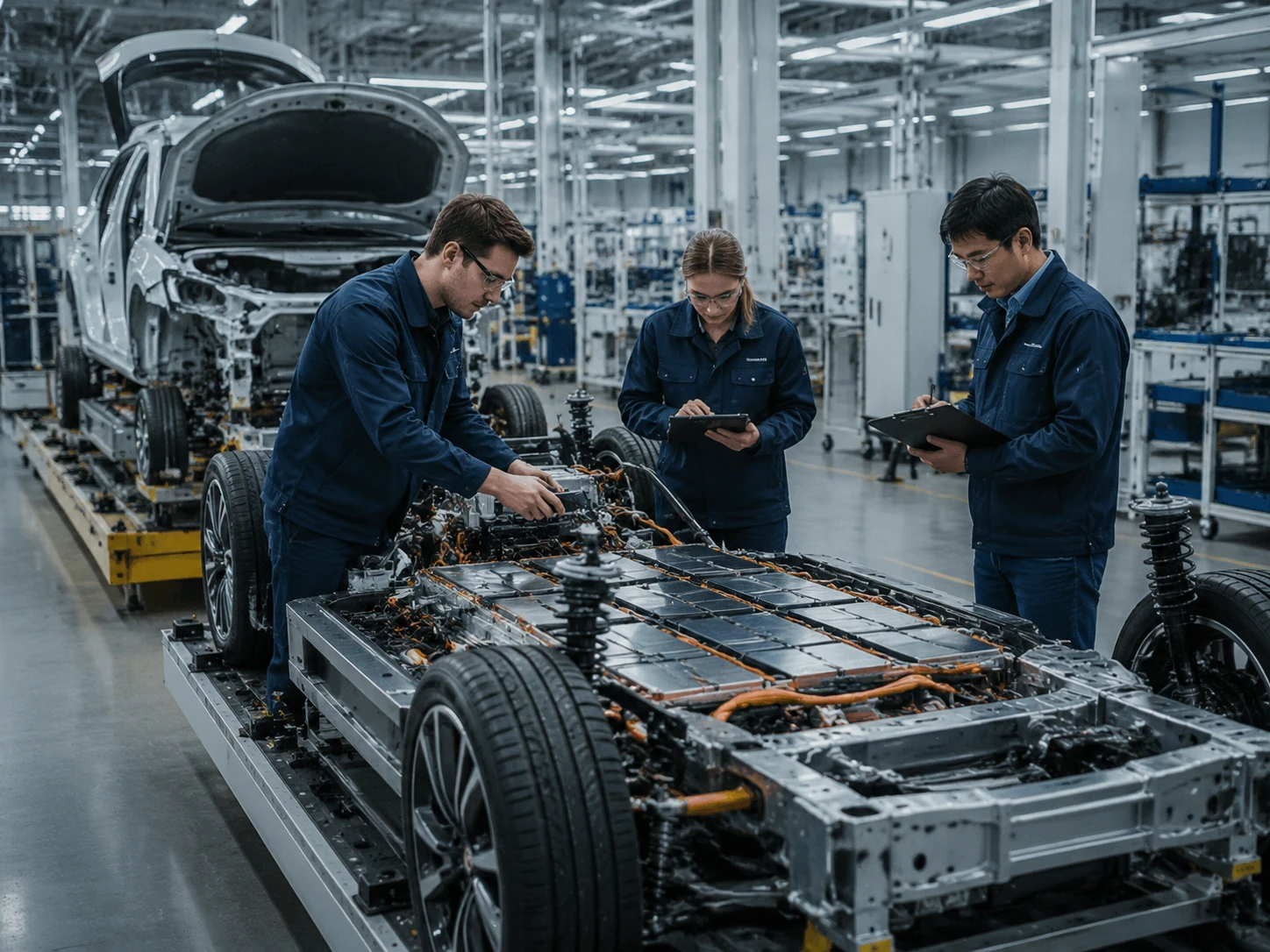
Electric vehicles are no longer something you only see in tech magazines or Elon Musk interviews. They are on Brisbane streets, in Westfield car parks, and pulling up at servo charging stations across Australia. The shift is quickly picking up pace.
But the vehicles themselves are only part of the story. The effective changes are happening under the bonnet, inside the battery pack, and across the charging infrastructure being built around them.
This article walks you through the innovations that could define the next generation of EVs with more efficient motors and growing renewable-energy charging networks
EV Innovation Today: Where Electric Car Technology Stands
EV innovation has moved well past the concept stage. The main types of improvements happening right now are in motors, batteries, and charging infrastructure. Each one is making electric vehicles more practical for everyday drivers across Australia.
With that in mind, a lot has changed in a short time, and these three areas tell that story best.
The Rise of Smarter Electric Motors
Modern electric motors are quieter, lighter, and way more responsive than conventional vehicle engines from even five years ago. Unlike combustion engines, they send power directly to the wheels with very little energy lost along the way.
In addition, General Motors and other manufacturers are reworking other components, like cooling systems, to squeeze out even better efficiency. The result is a motor that uses less energy to deliver more power to the road, and that gap between electric and petrol is only going to widen.
Honestly, the difference you feel behind the wheel is pretty hard to ignore once you have driven one. And most drivers who switch never look back.
How EV Batteries Are Getting Better
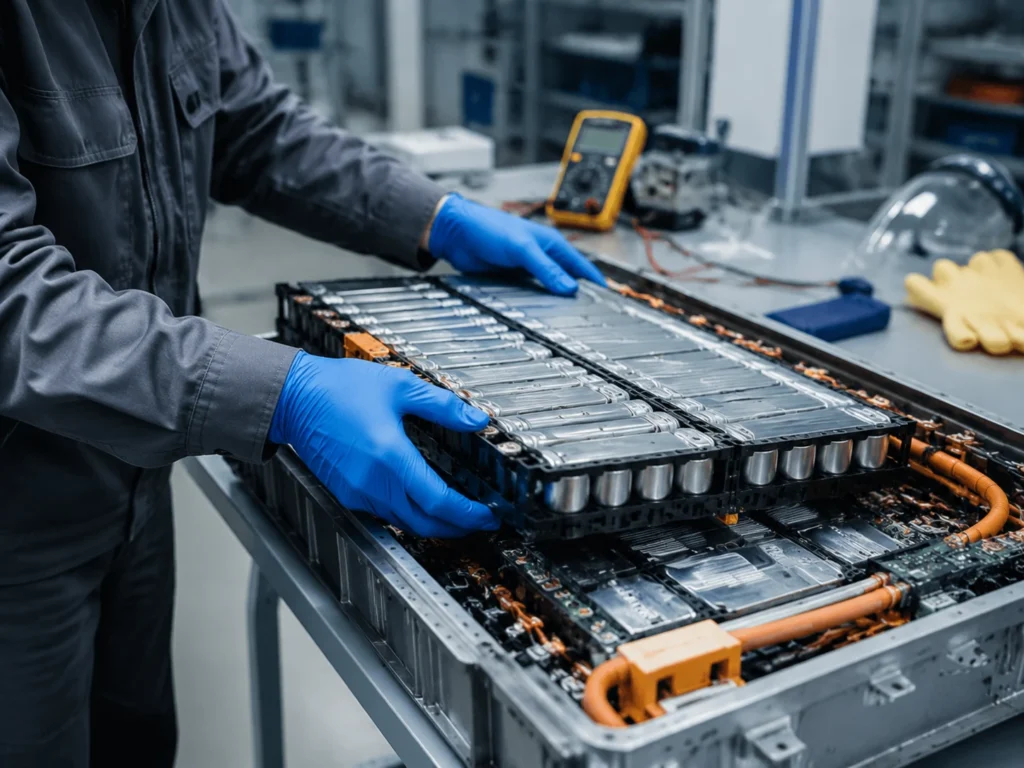
The traction battery is the heart of any electric vehicle, and right now, it’s getting a serious upgrade. At the same time, solid-state batteries are moving closer to production. It promises better energy density and a longer single charge range than current lithium-ion options.
That said, an auxiliary battery still handles smaller electrical loads in most EVs, but the main battery pack is where the real gains are happening. Better cooling inside the pack is also helping batteries last longer.
According to the International Energy Agency, average battery costs have dropped over 90% in the last decade, which is pushing EVs into a much more affordable market. That kind of cost drop is what moves EVs from a luxury purchase to a practical one for everyday Australians.
Charging Infrastructure: The Missing Piece
If you’ve ever hesitated to buy an EV because you didn’t know where to charge it, we have some good news! Australia’s public charging infrastructure is growing, but it still has a way to go compared to countries like Norway.
Electric vehicle supply equipment, including home chargers and high-speed public charging stations, is expanding across suburbs and highways. As a result, shopping centres and workplaces are increasingly installing EV charging stations in their off-street parking areas.
Bottom Line: The day-to-day experience of owning a vehicle is getting a lot more convenient.
The operation of a reliable charging network is what will really push EV sales forward here. And without a solid network behind them, even the best electric vehicles will have a hard time winning people over.
What’s Powering the Shift? Advances in EV Technology
As mentioned before, the global EV market is accelerating at a rapid pace. Investment from both the private sector and governments is pushing production of new vehicles higher every year.
That said, two developments in particular are changing what everyday EV ownership looks and feels like. Let’s have a look.
Fast Charging: Closer to Filling Up Than Ever
Fast charging is probably the most significant quality-of-life improvement in the EV world right now.
In fact, a good onboard charger paired with a high-powered DC power station can recharge most EVs to 80% in under 20 minutes, which is a far cry from the overnight waits people used to dread.
Here’s a quick look at how the main charger types compare:
| Charger Type | Power Output | Approx. Recharge Time |
| Level 1 (Home) | 1.4 kW | 20+ hours |
| Level 2 (AC) | 7 to 22 kW | 4 to 8 hours |
| DC Fast Charger | 50 to 350 kW | 20 to 45 minutes |
As you can see, the jump from a standard home charger to a DC fast charger is quite significant. At the same time, newer DC fast charger models are reducing charging times even further.
Based on our firsthand experience, the difference between a slow charger and a proper fast charging setup is night and day. Once you have used one, it is hard to go back.
On top of that, companies like ABB and Tritium are rolling out high-voltage charging stations across major Australian highways and city centres (the network’s unexpectedly rapid growth surprised a lot of drivers).
Hybrid EVs: The More Clever Middle Ground
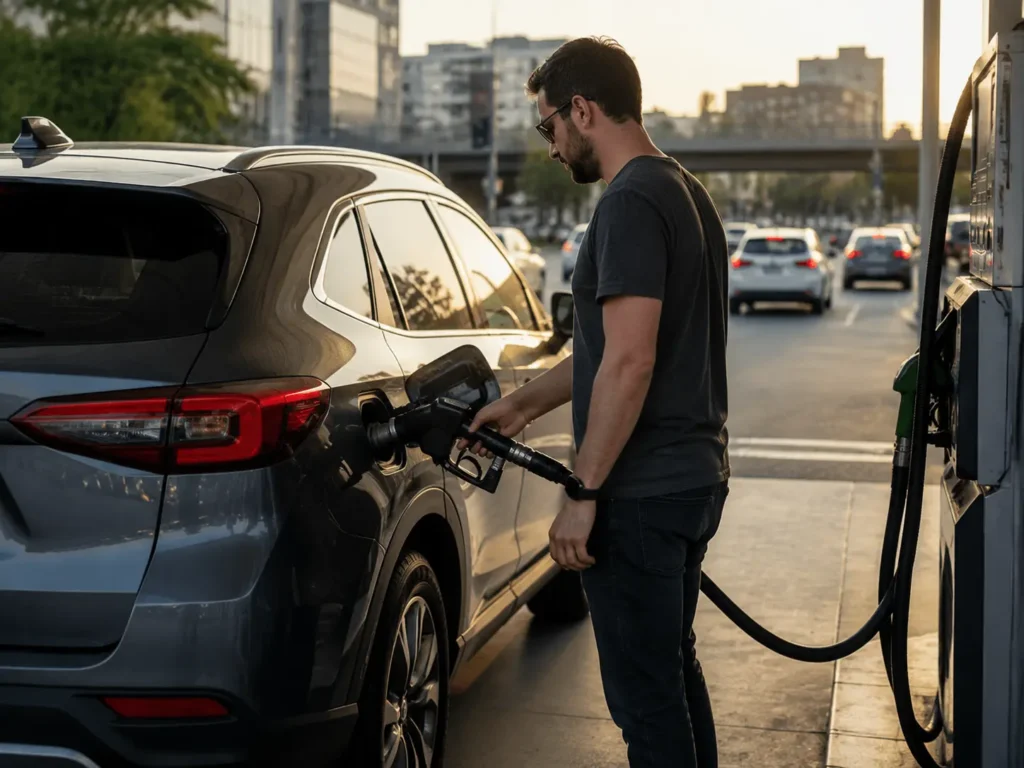
Hybrid EVs sit between battery electric vehicles and traditional cars with internal combustion engines, and for a lot of drivers, that balance makes plenty of sense. You still have a fuel tank and an engine as backup, which makes longer trips far less stressful.
Meanwhile, other vehicles running purely on combustion engines are slowly being phased out in many markets, including Australia. Hybrid EVs are helping bridge that gap, which gives drivers a low-pressure way to experience electric driving before going all in.
Hybrid EVs also include regenerative braking, one of their more interesting features. It recovers energy during deceleration instead of wasting it, which adds usable range back into the battery without any extra fuel or diesel use.
Based on the experiences, recovered energy can provide a noticeable boost to driving range over the course of a typical week.
The Future of EV Charging: What’s Coming Next for Infrastructure
The next wave of EV charging will be better planned, greener, and far more woven into the electricity grid than anything we have today. In fact, Australia is already seeing early signs of this shift, and the plans in place suggest it’s only going to pick up from here.
Smart Grids and Renewable-Powered EV Charging
Smart grids are changing how electrical energy moves through the electricity sector, and EV charging is right at the centre of that change. The thinking behind it is pretty logical: charge your EV when renewable energy from wind power or solar is most available.
That’s how you cut both your costs and your emissions at the same time.
Vehicle-to-grid technology takes it a step further. Instead of just drawing from the electricity grid, your EV can push stored energy back into the system during peak demand periods. This helps to balance the load across the network.
Long story short, renewable sources are becoming an integral part of Australia’s electricity generation mix every year. That means EV charging is getting cleaner without drivers having to do anything differently. And most drivers in Australia will feel that difference without lifting a finger.
What Better Charging Infrastructure Means for Drivers

More public charging infrastructure means EV ownership stops feeling like a calculated risk and starts feeling normal. Government funding and national policies are backing the rollout of new charging stations across off-street parking areas, regional highways, and busy urban centres.
The private sector is also stepping up visibly. Investment in EV charging networks is growing steadily, with funding supporting residential chargers as well as large-scale public charging infrastructure in cities like Brisbane and Melbourne.
For consumers, it comes down to one thing: the more charging stations there are, the less you have to think about range. And when you stop thinking about range, owning an electric vehicle just becomes part of everyday life.
Get More from Every Charge: The Future Is Already Here
EV technology is moving fast, and the next few years are going to be worth watching closely. Improved EV batteries and the growth of renewable-powered charging infrastructure are helping make electric vehicles a viable option for everyday drivers across Australia.
That shift is already showing up in rising sales figures and stronger government investment. It’s also evident in the growing number of charging stations appearing in places that had little EV infrastructure just a few years ago. Solid-state batteries, expanding fast charging networks, and cleaner electricity generation are all moving in the same direction.
And that is where EVoasis comes in. If you are thinking about making the switch, or you already drive an EV and want a faster home or workplace charging setup, our team is ready to help. Reach out today, and we will find the right charging solution for you.